


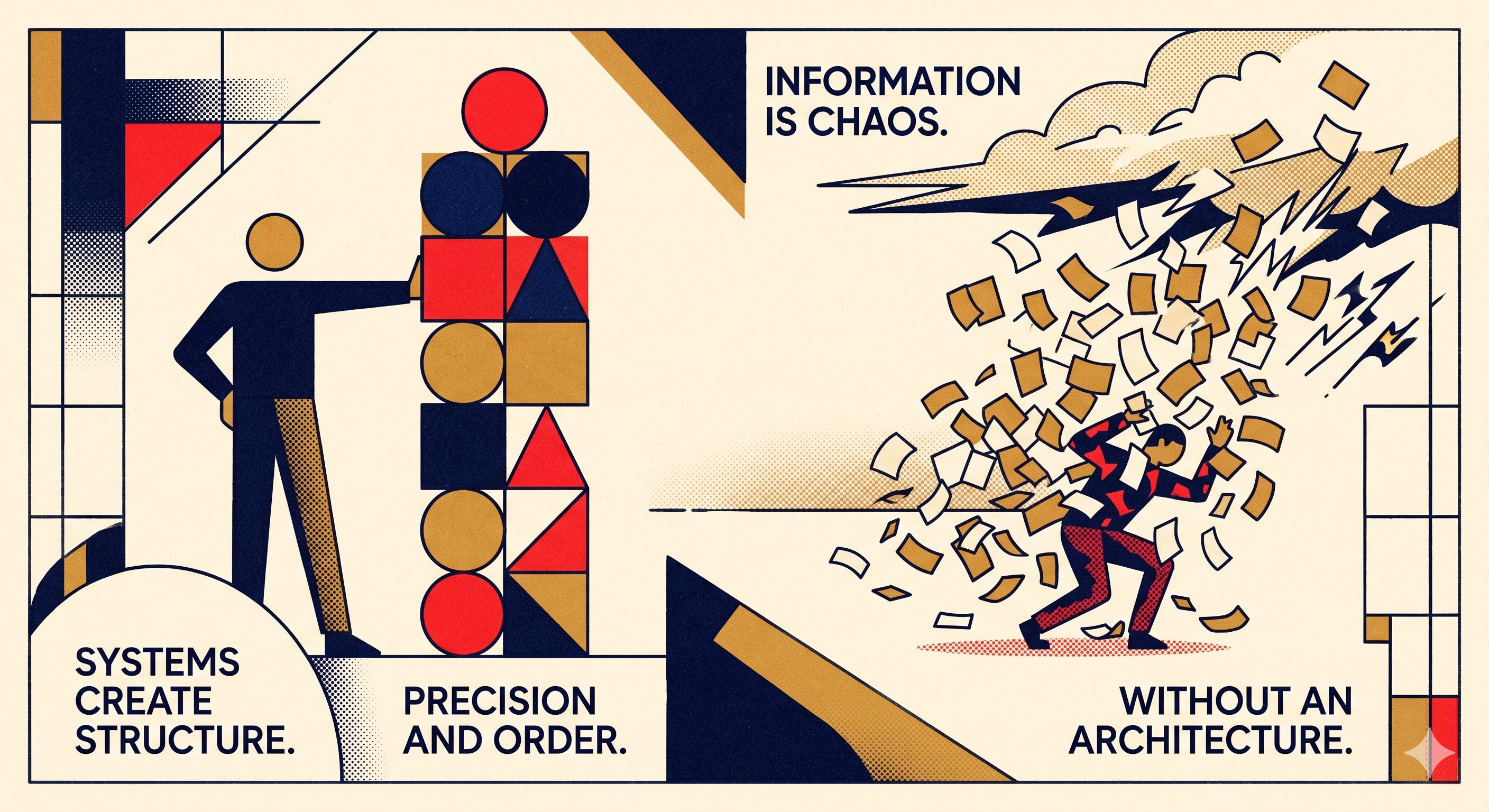
That’s the test. If your AI usage is producing more output, more emails, more summaries, more “personalized” sequences, you’re losing. You’re using a system designed for leverage to do more admin. The volume feels like progress. It isn’t.
The PAMs winning right now are running fewer plays, not more. They’ve used AI to delete work, not produce it. What’s left is the part of the job that actually compounds.
The Relayer Trap
Most partner managers use AI as a faster typewriter. Summarize the call. Draft the follow-up. Generate ten variations of the partner outreach. Auto-fill the QBR deck.
This is relayer work with a chatbot bolted on. The output goes up. The job stays the same. You’re still the relay station. You’re still answering “where’s the deck” and “what’s the SPIFF for Q4.” You’re just doing it faster.
Partners notice. The “personalized” sequence reads like a sequence. The auto-summary misses what actually mattered on the call. The faster reply is still a reply, not a decision.
You’ve automated the wrong layer.
What an Operator Does
Operators don’t use AI to write more. They use it to stop having to write at all.
The shift is structural. A relayer uses AI inside their existing workflow. An operator uses AI to redesign the workflow so the relayer work disappears.
Three places this shows up.
Index the answers. Stop being the answer.
Relayer: Partners ask the same twelve questions. You answer them. Again. You’re a human FAQ with a quota.
Operator: Build a Claude Project or NotebookLM notebook loaded with every program doc, SPIFF table, partner contract, technical spec, and historical Slack thread. Run it yourself in 10 seconds. Or give partners access. The question stops reaching you. When it does, you answer in one message instead of an hour of digging.
You stop being the bottleneck. You become the architect of the system that replaced the bottleneck.
Automate the low-trust work. Protect the high-trust work.
Relayer: Monday on status updates. Tuesday on CRM hygiene. Wednesday writing the recap nobody reads.
Operator: Reporting, reminders, recaps, deal reg follow-ups. None of this builds trust. None of it requires you. Move it to triggers and templates. Pipe Gong calls into a Claude prompt that drafts the recap. Use HubSpot workflows that auto-update partner stage based on activity. Reserve your hours for the conversations that move money.
Trust is built in negotiation, in conflict resolution, in the unscripted ten minutes after a QBR. It’s not built in the recap. Stop spending your best energy on the work that doesn’t matter.
Filter for signal. Stop reading every ping.
Relayer: Inbox at 200. Slack notifications across thirty vendor groups. You “stay close” to everything and act on nothing.
Operator: Most partner activity is noise. The signal is deviation. A partner who registered 3 deals a quarter for two years just registered zero. A partner suddenly spinning up integration work with your competitor. A champion at a partner just changed jobs.
You don’t need to read everything. You need a filter that flags anomalies and a habit of intervening when one shows up. AI handles the first part. You handle the second.
What Actually Compounds
The work that survives this shift is the work AI can’t do. Co-innovation roadmaps. Sourcing the right exec sponsor at a partner. Reading the room when a deal is stalling for political reasons no CRM field captures. Negotiating commercials. Building the kind of relationship where a partner brings you the deal before they put it in their own pipeline.
This is operator-mode work that runs on relationship-mode trust. AI doesn’t touch it. It just clears the runway so you can spend more time there.
Integrations are the new shelf space. The partner managers who win in 2026 aren’t the ones with the best AI prompts. They’re the ones who used AI to free up the time to actually build the integrations, the joint motions, the real partnerships.
Stop using AI to talk. Start using it to build.